Skip to content Skip to footer
Main Courses

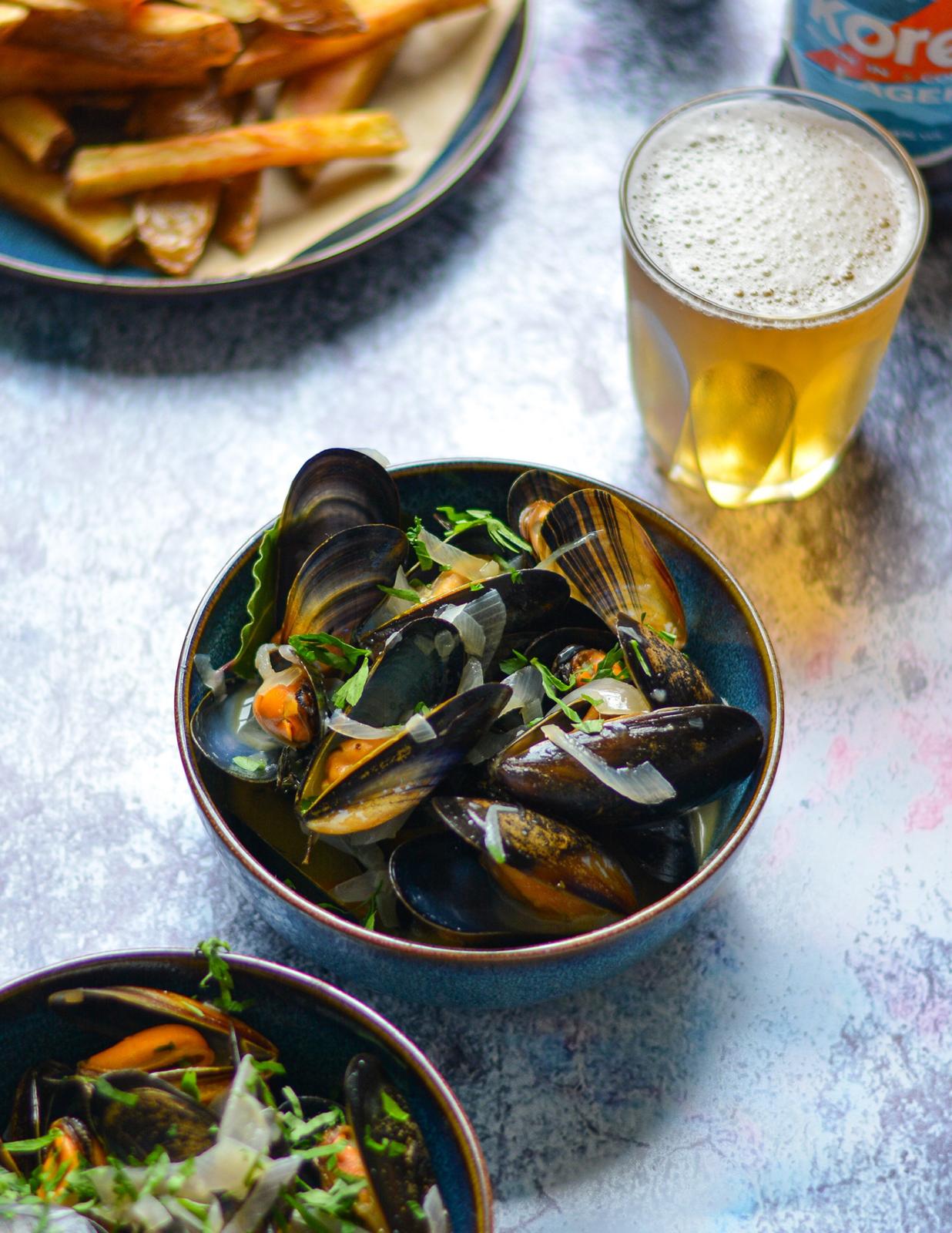
Moules Marinière

Moules Marinière cooked with cider, shallots and garlic, finished with crème fraîche and fresh parsley — a simple French classic with my own twist.
Read More »
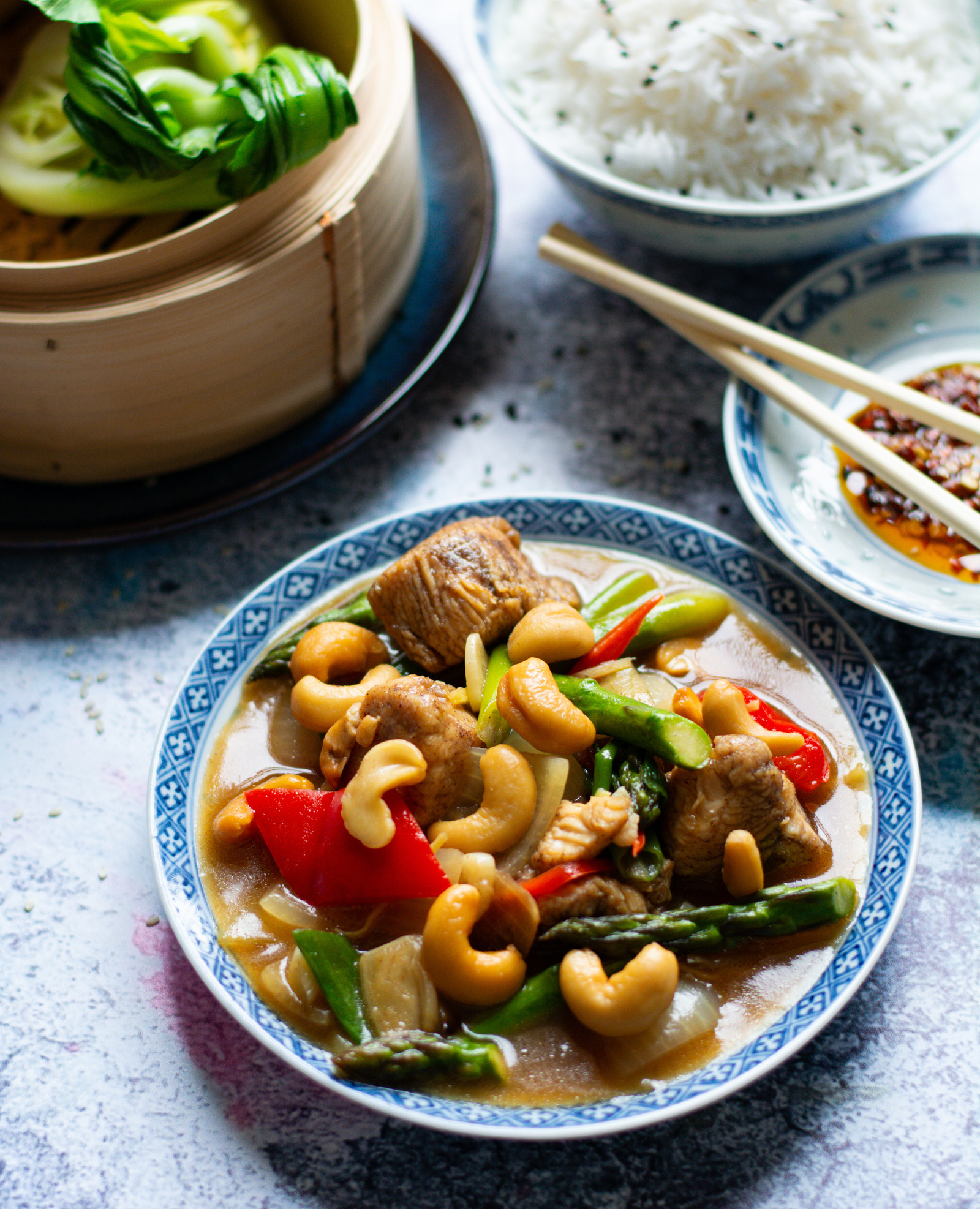
Chicken and cashew stir-fry with vegetables, served with rice and steamed pak choi
Main Courses

Chicken & Cashew

A quick chicken and cashew stir-fry inspired by a cookery course in Goa, with toasted cashews, vegetables and a glossy soy and chicken-stock sauce.

Read More »

When I had my first restaurant on Tower Bridge Road, I became friends with some wealthy Parisians whose parents had an old farmhouse in Normandy, complete with a cider press and a still for making Calvados.

I remember eating this dish with them there, and years later I put it on the menu at The Tree Bistro. Classically, Moules Marinière doesn’t contain crème fraîche, but my customers loved the addition — so it stayed.

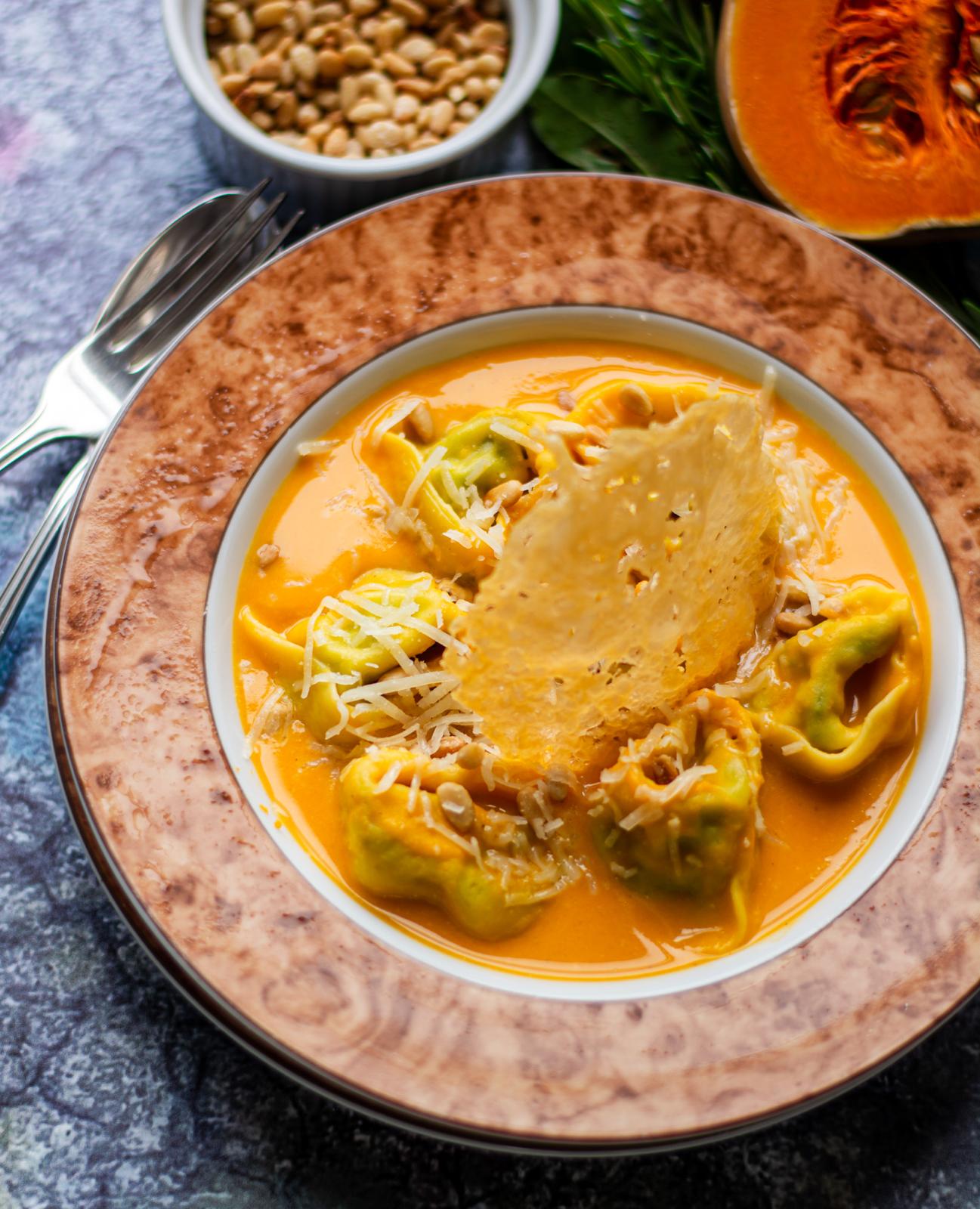
Working for my friend’s father near Ferrara, in Emilia-Romagna, I learned to make pasta—20kg a day, to be precise. Most of it was made by machine, but the tortellini and cappelletti were cut and formed by hand. No one spoke Italian, and I wanted to learn, but they all spoke Ferrarese, the local dialect. I was the only man in the kitchen while the chefs were away doing three months of national service, and the older women used to rib me—but it was all in good fun.

Traditionally, tortellini are cut from squares and the name means “little pies” or “little cakes”. For this recipe, I use an 8cm round cutter and fill them with spinach and ricotta, then serve them with a smooth butternut squash sauce. You could also use a butternut squash and ricotta filling and serve the tortellini with sage butter.

After a gruelling three weeks in rehab, I treated myself to a short cookery course in Goa. That was 25 years ago, so this recipe is recreated from memory. I have added chicken stock, which gives the dish a little more sauce.

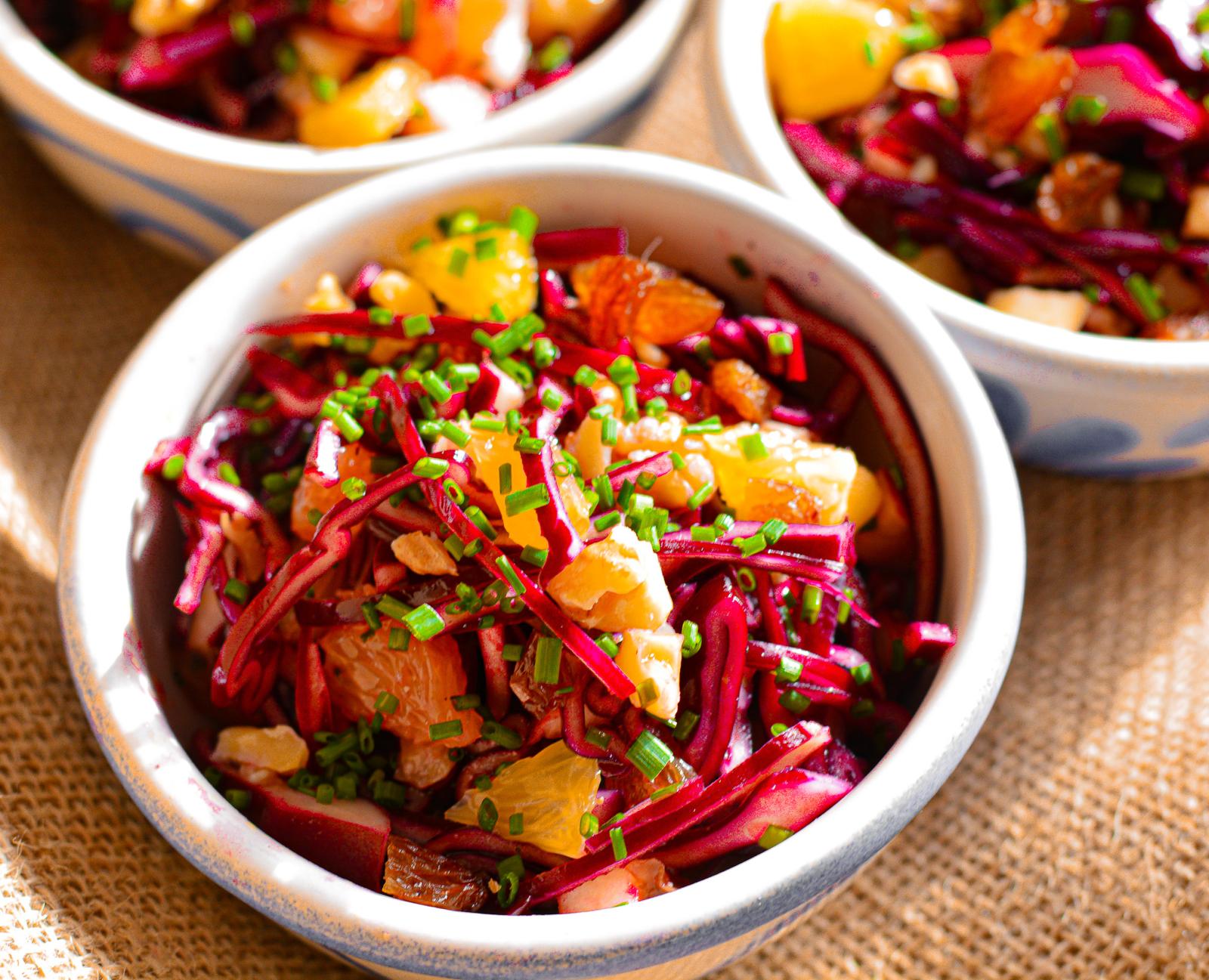
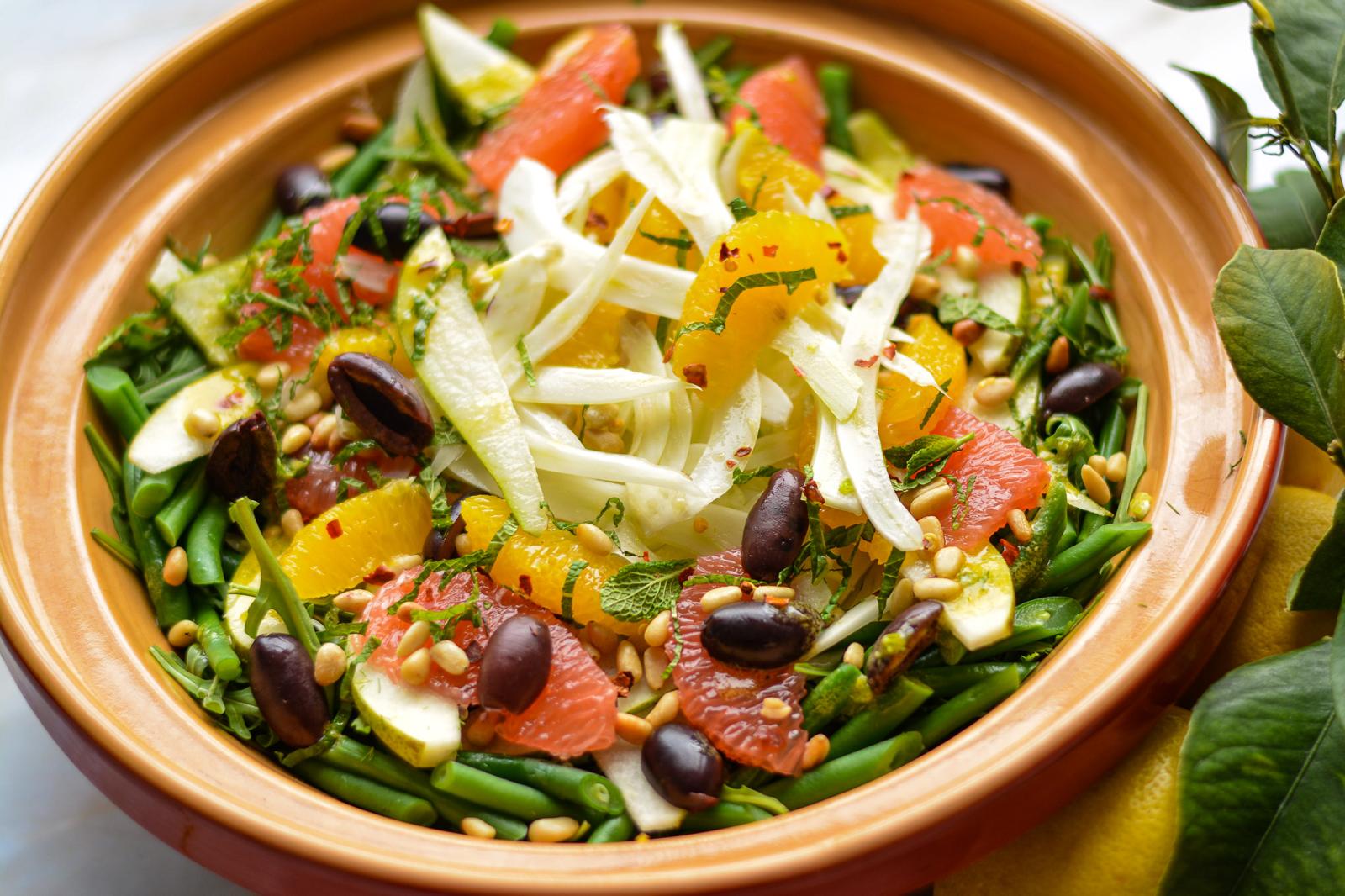
I have included more ingredients than the title suggests. The warmth of the chilli and fennel is balanced by bright citrus and fresh mint. Green beans and peppery rocket are brought together with a citrus, honey and mustard dressing. It works especially well alongside grilled seafood, poultry, beef or a hearty pasta dish.

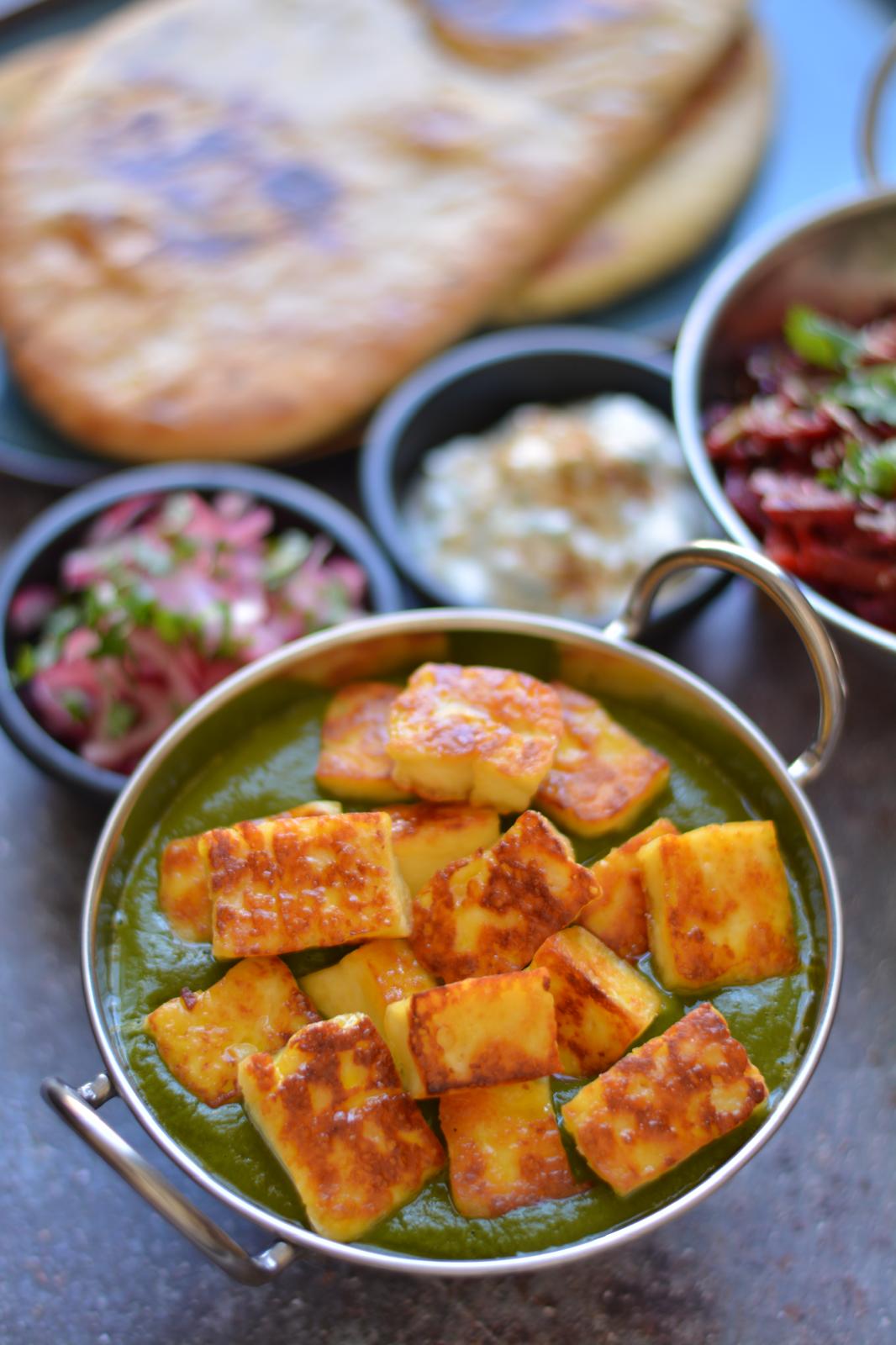
I first had this dish with naan bread in Jaipur, Rajasthan — the Pink City. While travelling around India, I became vegetarian because I did not trust the meat I saw in the markets.

You can substitute the spinach with peas. In some UK Indian restaurants the sauce is enriched with cream or even condensed milk; this version uses strained yoghurt.

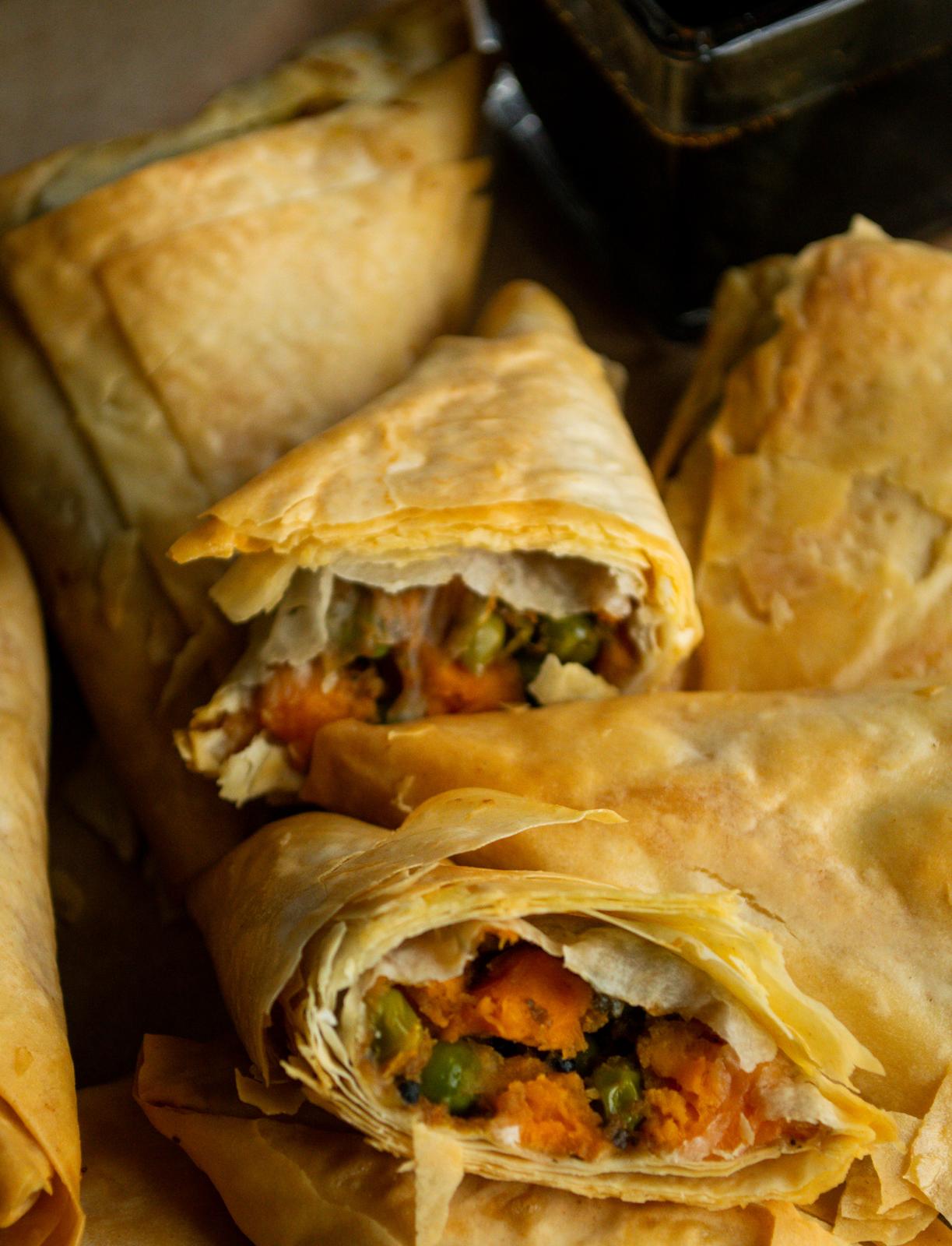
Pure ‘street food’ combined with a great, easy-to-make chutney. The first time I was in India was at the age of twenty-one. I used to eat this delicious snack in every new place I visited. Sometimes it would be fiery hot, other times made with more flavour than heat. I substitute sweet potatoes for white potatoes. These are oven-roasted for a healthier option, but if you deep-fry or air-fry, make sure you seal the outer layer with a paste made from flour and water.

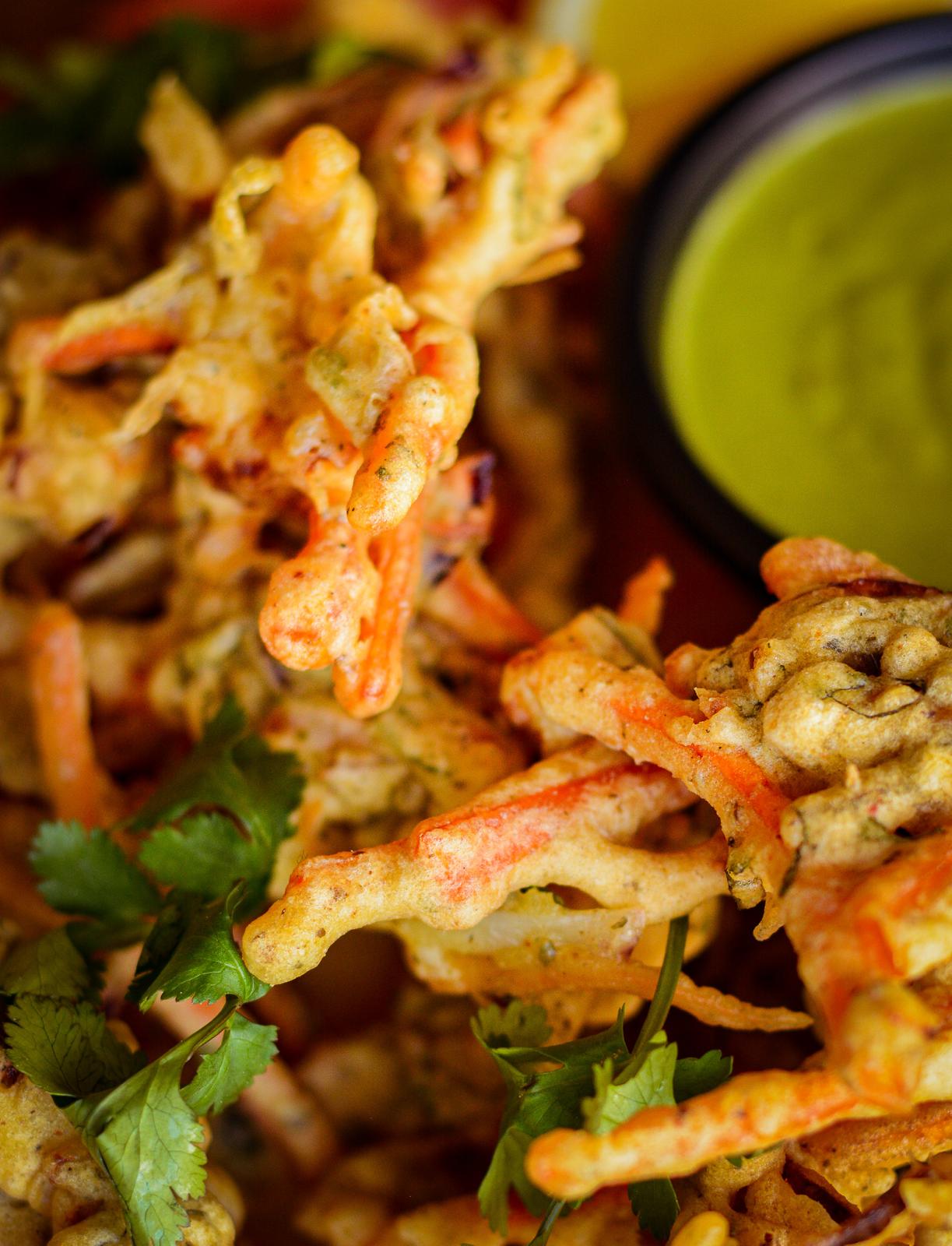
Chickpea flour is the essential base of pakora, making it a naturally gluten-free snack; cornflour adds extra crispness. This popular monsoon snack is traditionally served with hot chai during the wet season. Pakora are found across the Indian subcontinent, with variations made using paneer, chicken and even haggis.

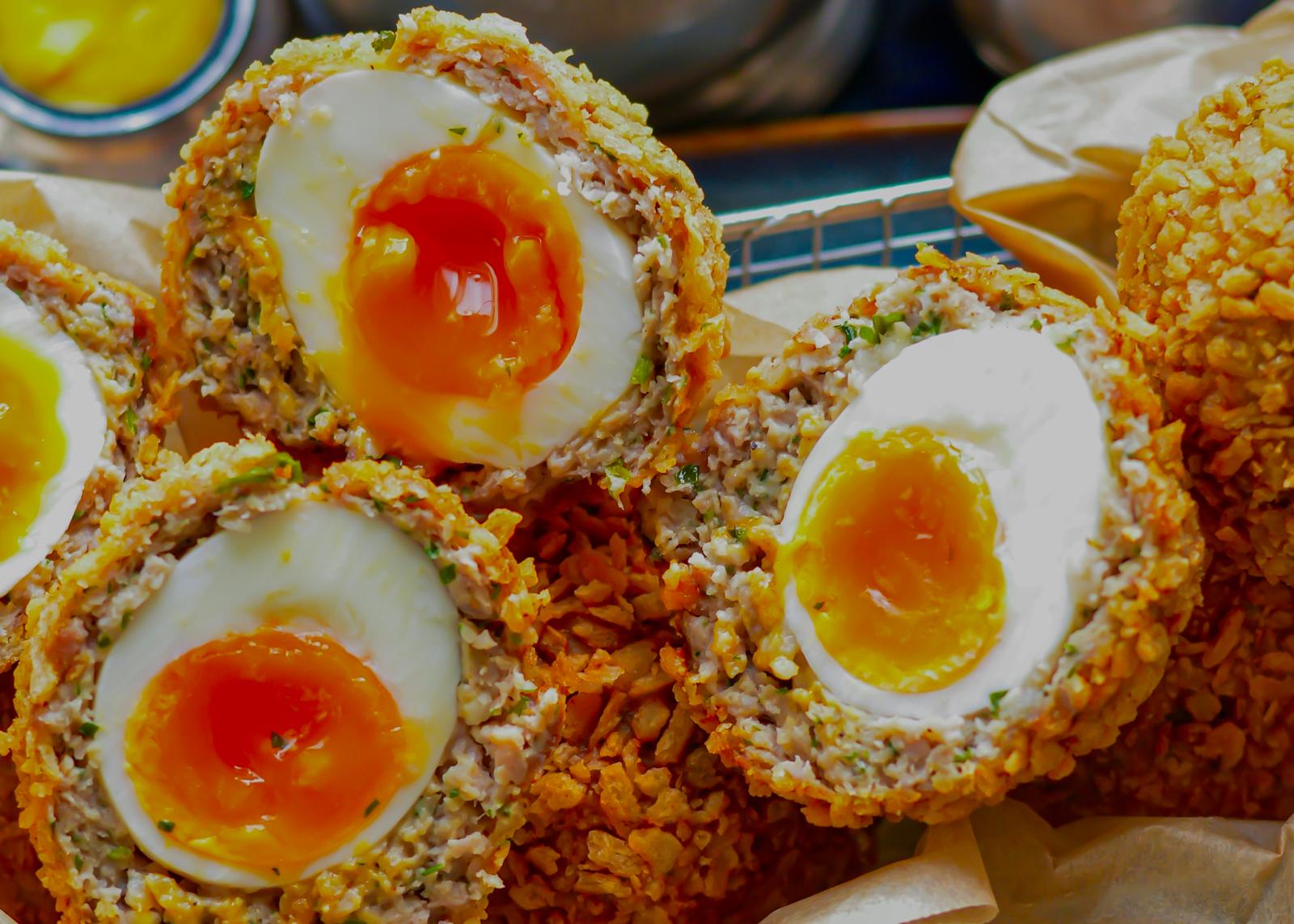
The origin of the Scotch egg is disputed. Fortnum & Mason claims it invented the portable snack for well-heeled travellers in 1738. Other accounts point to a 19th-century J. Scott & Son version covered in fish paste, or to a spiced Indian dish from the same period.

You can make Scotch eggs with your favourite sausage meat and use quail, hen or duck eggs. I use a Wiltshire sausage-meat recipe that I have adapted.

I had this at Le Petit Maison in Mayfair. I don’t know how close this is to their recipe, but this is a real crowd pleaser and always surprises my guests. It also brings a little Riviera sunshine to the table.

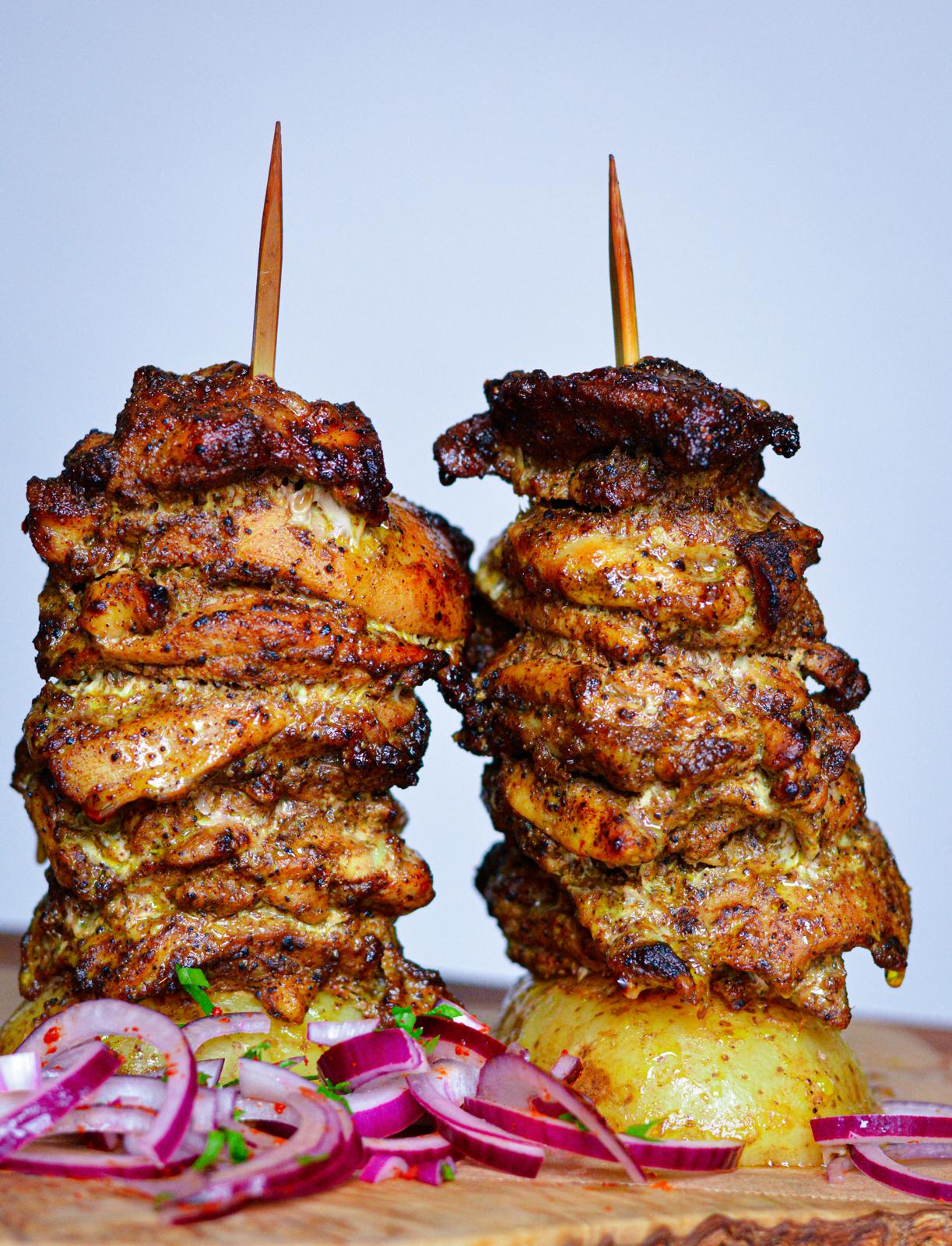
After eight years in Dubai, I became accustomed to the great outdoors, even when summer temperatures reached 57°C with 100% humidity. I became friends with a sheikh who owned an RV camp in the desert in the northern emirate of Ras Al Khaimah, where I was also head of food and beverage at the hospital. We cooked market fish, barbecued chicken and vegetables around a fire pit fuelled with wood gathered from the desert. Winter evenings under the stars, wrapped in a blanket, were magical. This recipe saved us a trip into town. Served with bread, pickles, salad, garlic and chilli dressing, it made the perfect late-evening snack.

This easy dish is well worth the effort, but it needs some forward planning.

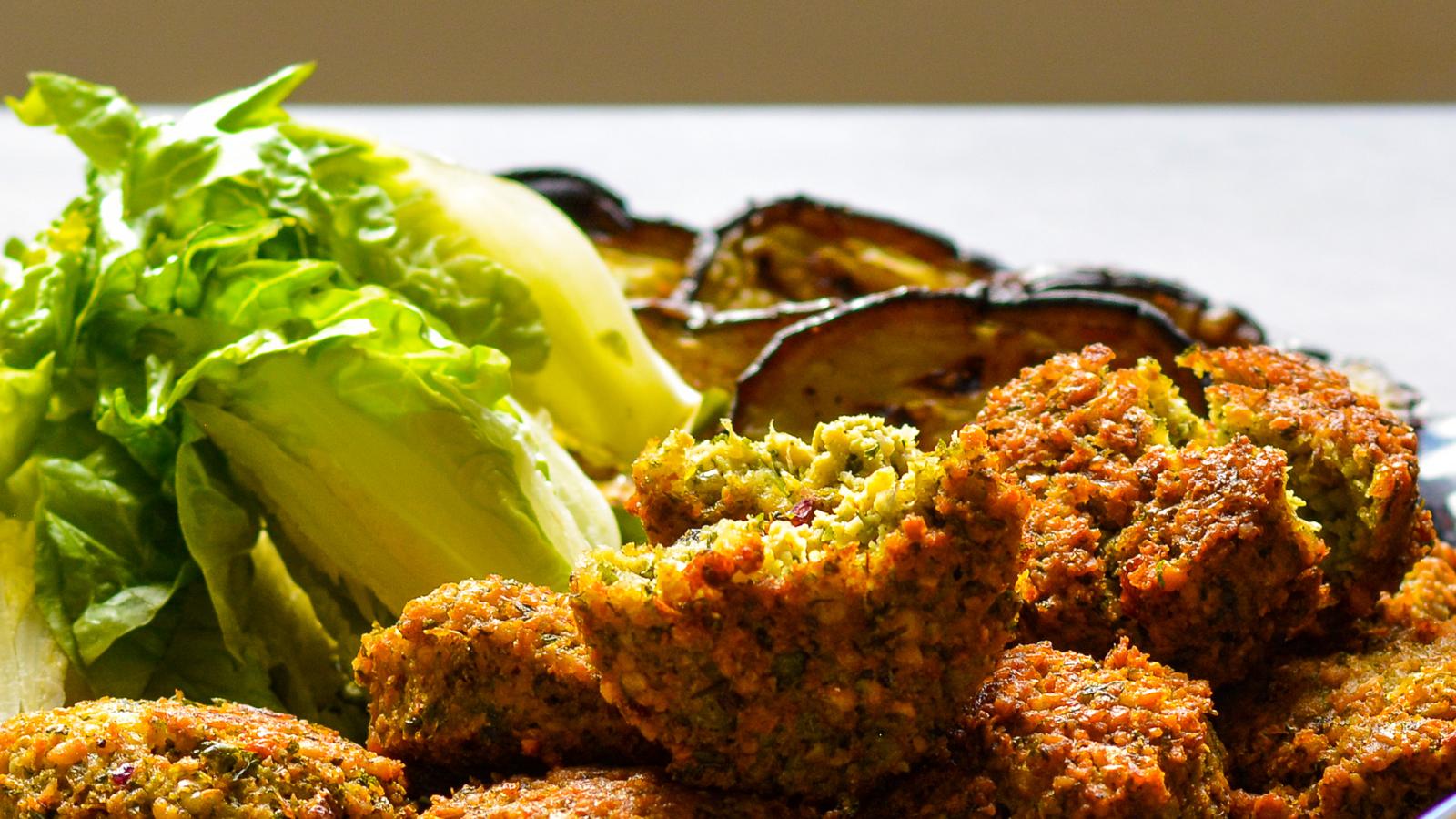
When I was a kibbutznik, we would go into town on Thursday evenings for a drink with the other volunteers. The highlight was a falafel with all the wonderful condiments. I developed this recipe while studying at the College of Naturopathic Medicine. Sprouting reduces some antinutrients, making chickpeas easier to digest. It was on the Tree Bistro menu and is vegan-friendly. If you are in a hurry, you can simply soak the chickpeas overnight.

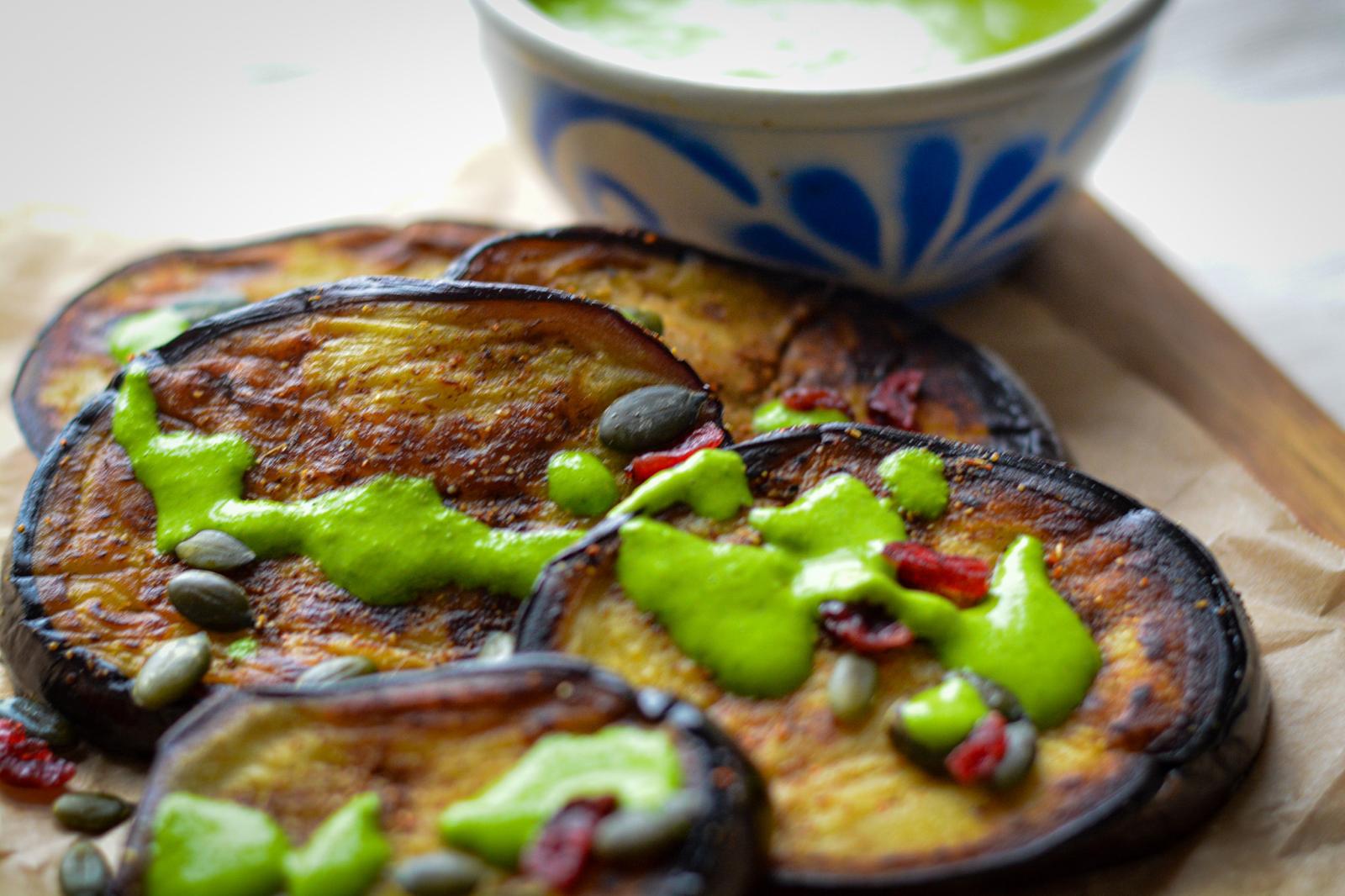
If you are lucky enough to find the dense, round Italian aubergines, use those. Otherwise, look for naturally grown aubergines rather than hydroponic ones.