Skip to content Skip to footer

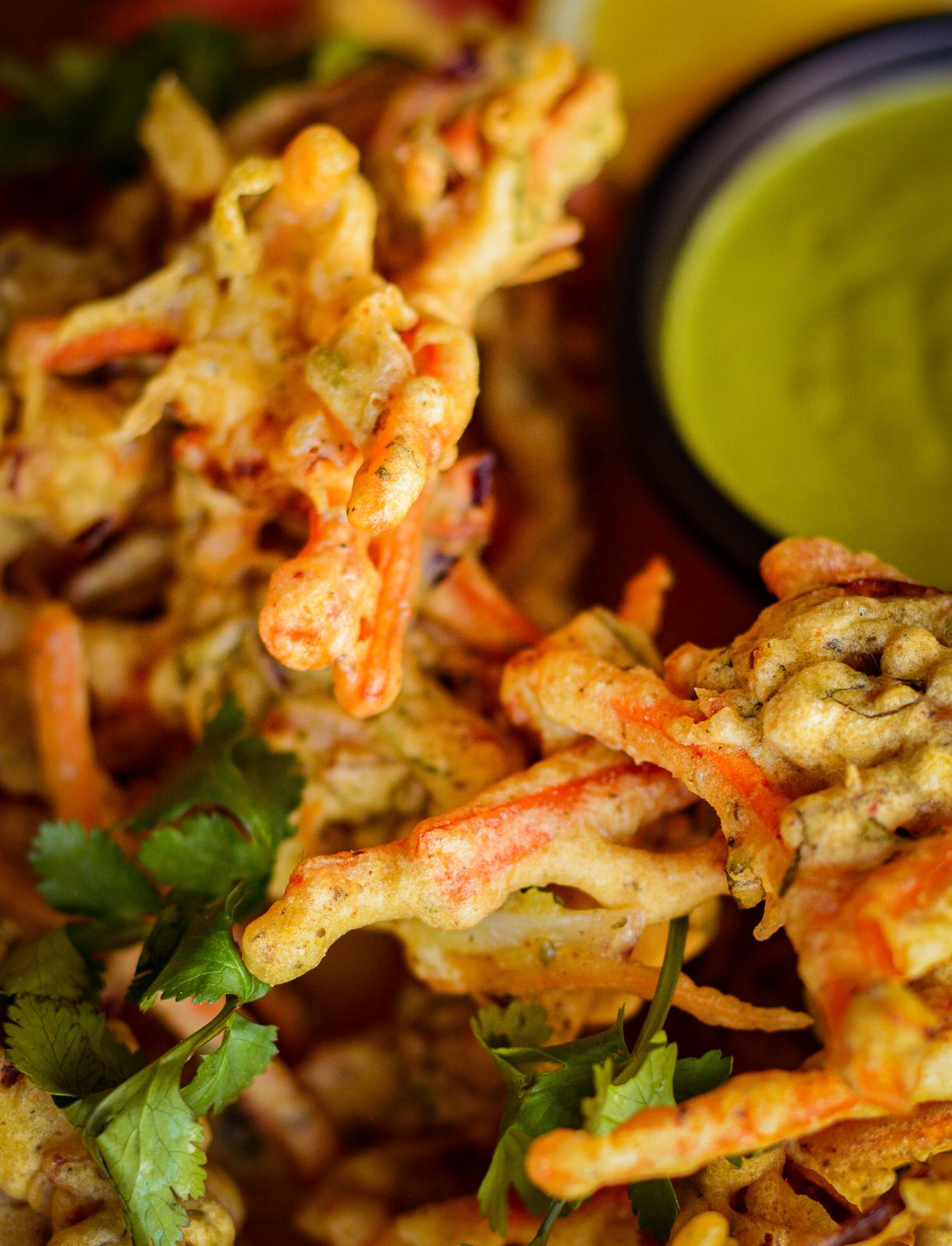
Chickpea flour is the essential base of pakora, making it a naturally gluten-free snack; cornflour adds extra crispness. This popular monsoon snack is traditionally served with hot chai during the wet season. Pakora are found across the Indian subcontinent, with variations made using paneer, chicken and even haggis.

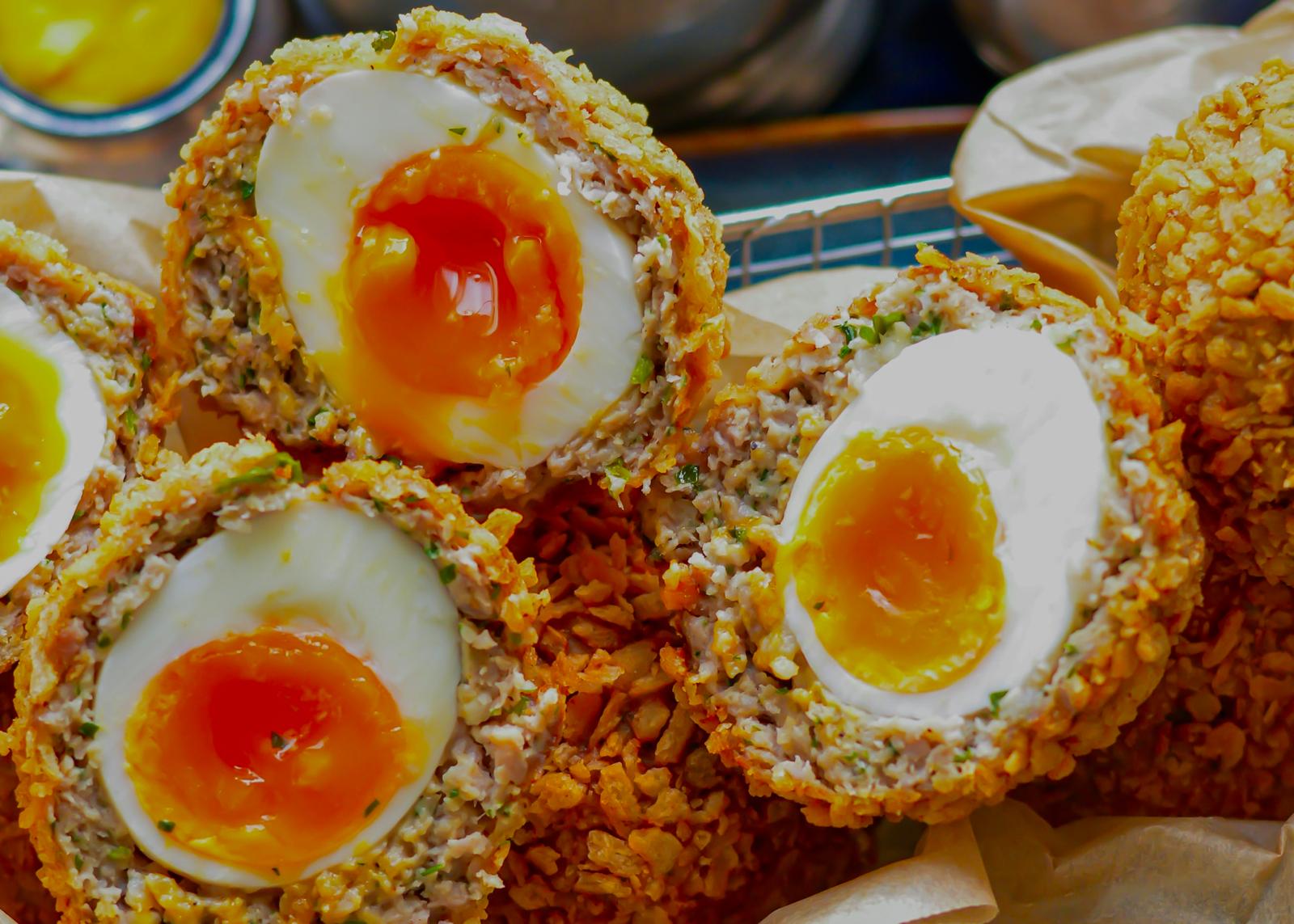
The origin of the Scotch egg is disputed. Fortnum & Mason claims it invented the portable snack for well-heeled travellers in 1738. Other accounts point to a 19th-century J. Scott & Son version covered in fish paste, or to a spiced Indian dish from the same period.

You can make Scotch eggs with your favourite sausage meat and use quail, hen or duck eggs. I use a Wiltshire sausage-meat recipe that I have adapted.

I had this at Le Petit Maison in Mayfair. I don’t know how close this is to their recipe, but this is a real crowd pleaser and always surprises my guests. It also brings a little Riviera sunshine to the table.

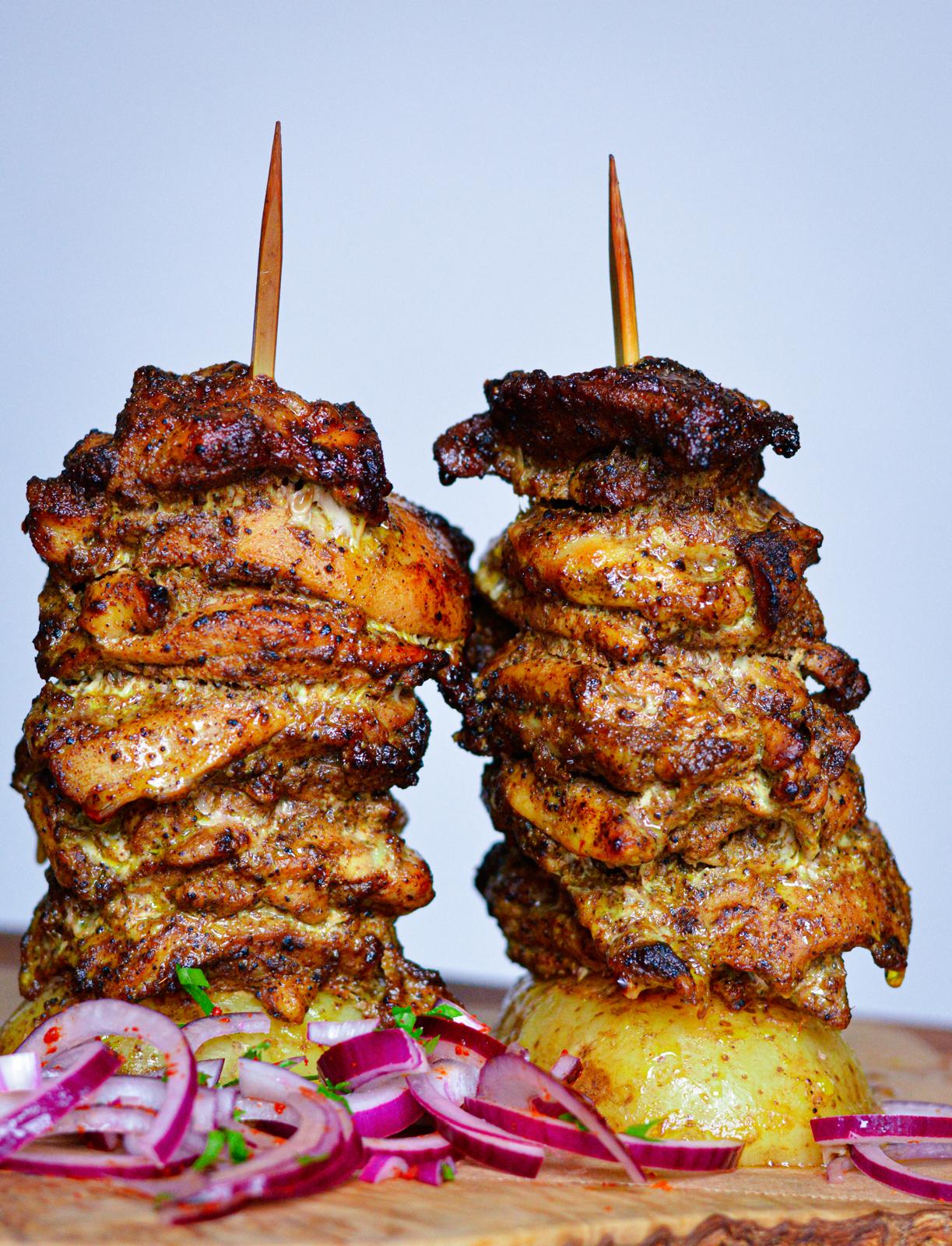
After eight years in Dubai, I became accustomed to the great outdoors, even when summer temperatures reached 57°C with 100% humidity. I became friends with a sheikh who owned an RV camp in the desert in the northern emirate of Ras Al Khaimah, where I was also head of food and beverage at the hospital. We cooked market fish, barbecued chicken and vegetables around a fire pit fuelled with wood gathered from the desert. Winter evenings under the stars, wrapped in a blanket, were magical. This recipe saved us a trip into town. Served with bread, pickles, salad, garlic and chilli dressing, it made the perfect late-evening snack.

This easy dish is well worth the effort, but it needs some forward planning.

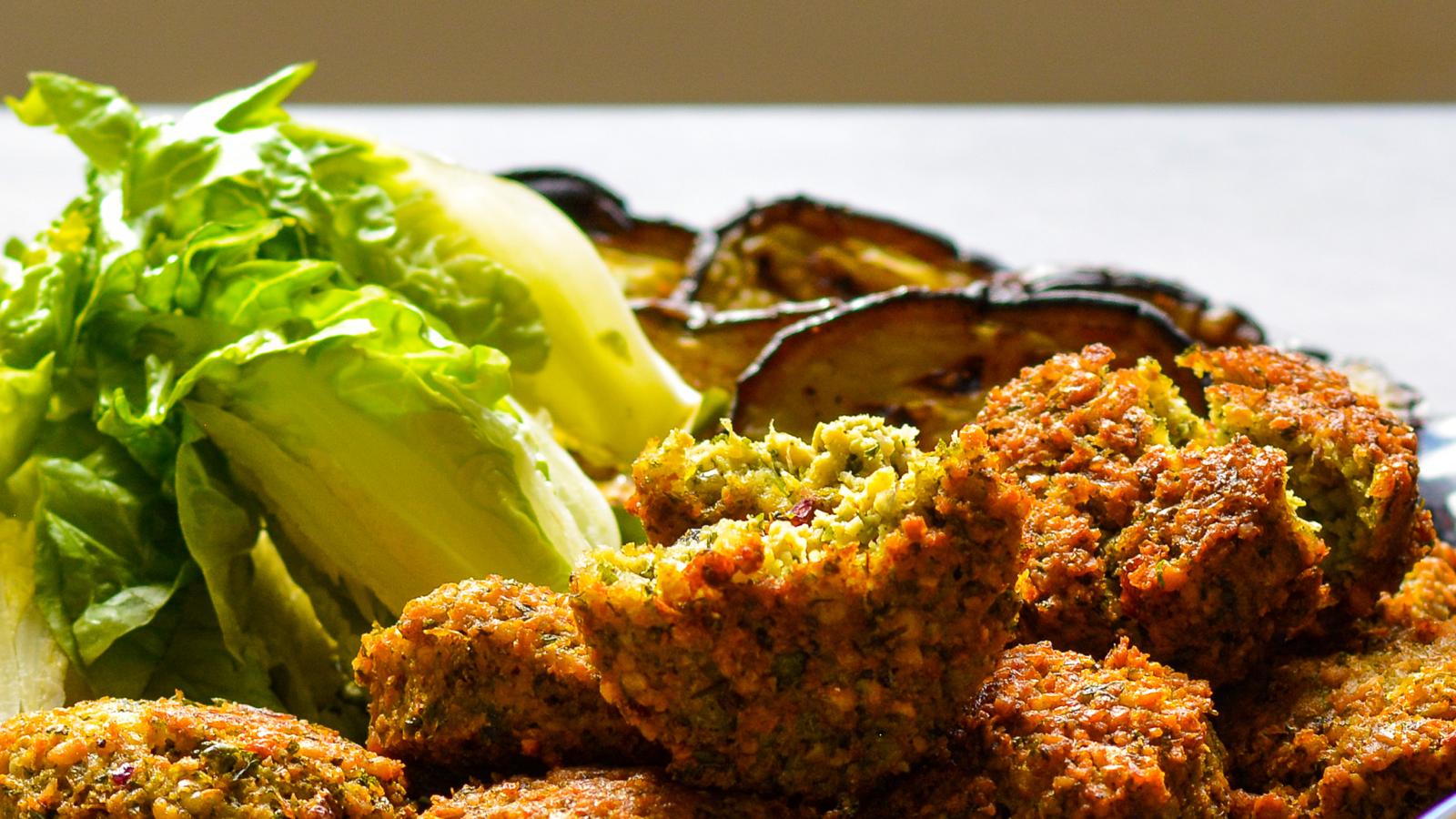
When I was a kibbutznik, we would go into town on Thursday evenings for a drink with the other volunteers. The highlight was a falafel with all the wonderful condiments. I developed this recipe while studying at the College of Naturopathic Medicine. Sprouting reduces some antinutrients, making chickpeas easier to digest. It was on the Tree Bistro menu and is vegan-friendly. If you are in a hurry, you can simply soak the chickpeas overnight.

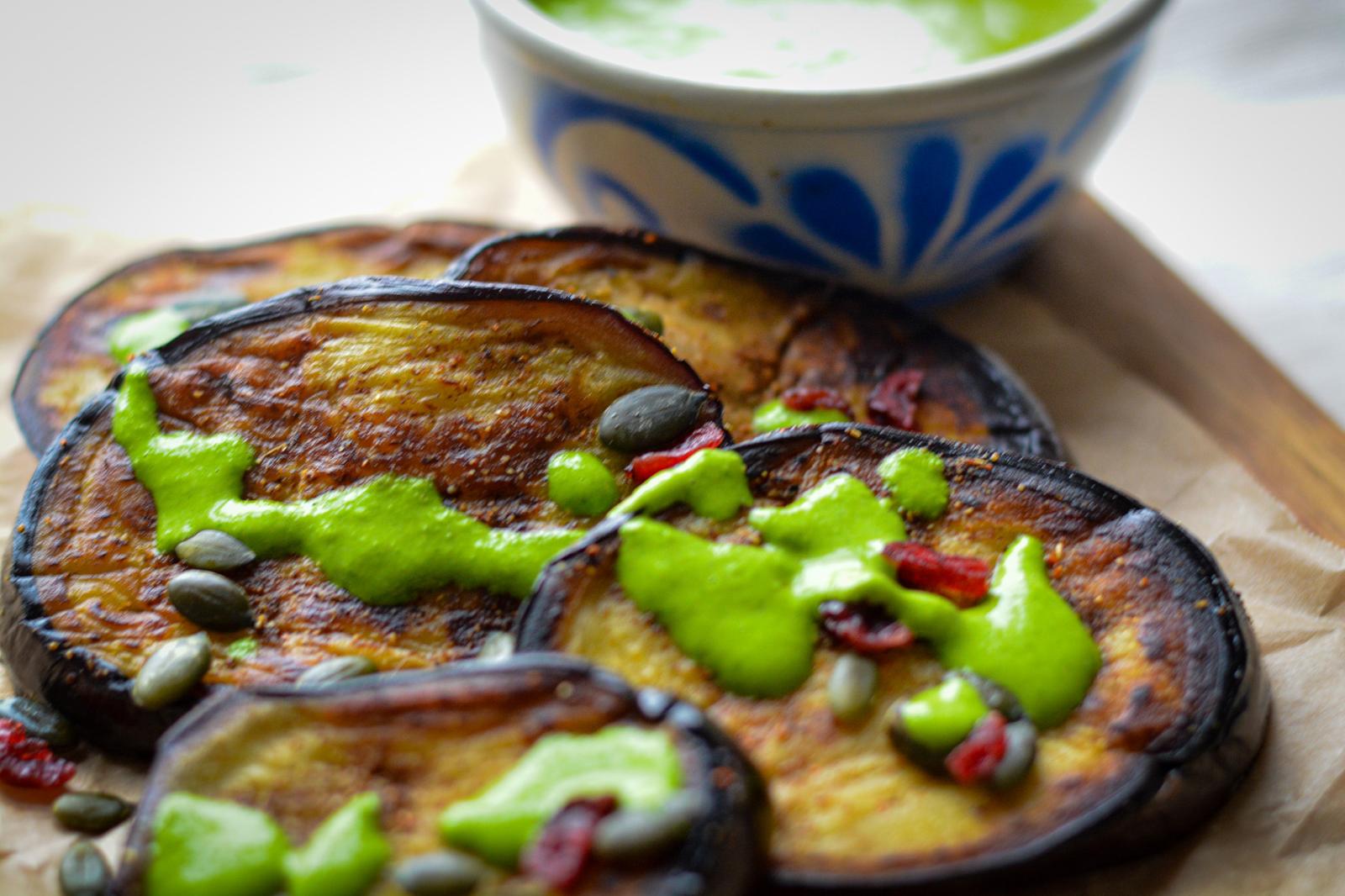
If you are lucky enough to find the dense, round Italian aubergines, use those. Otherwise, look for naturally grown aubergines rather than hydroponic ones.

I use paprika, but for a more traditional version you can use Turkish sweet red pepper paste. Either way, it tastes great. Adjust the amount of fresh chilli to suit your guests’ palates. You can substitute the sumac with the juice and zest of half a lemon. Pomegranate molasses gives the sauce real depth of flavour.

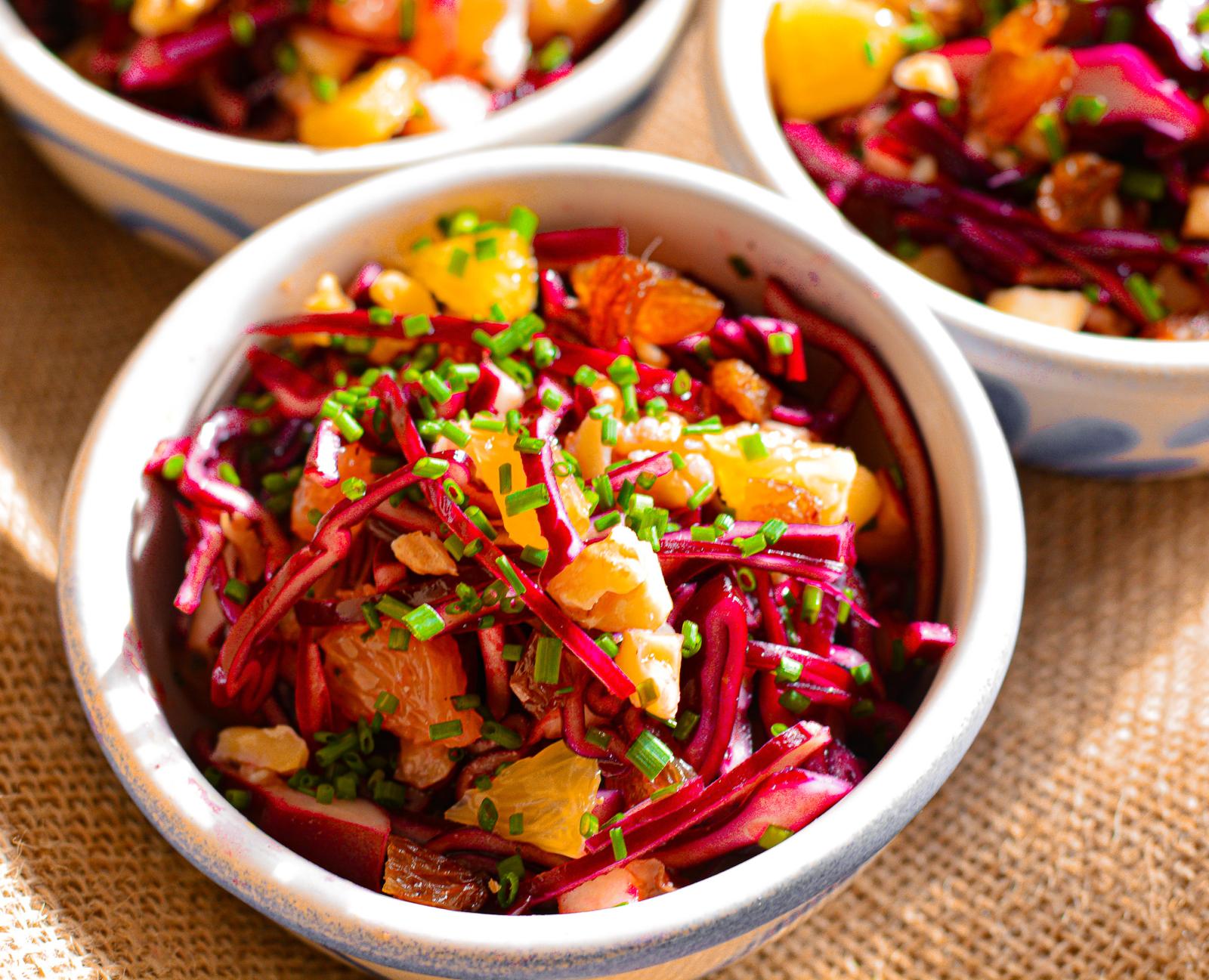
I developed this one summer during Covid while doing takeaways at The Hut, Elements, with my good friend Jamie Stevenson. The beetroot adds a vibrant colour to the dish and provides vitamin B9 and potassium.

This is the simplest version of the salad; you can jazz it up with radishes and/or spring onions. Sumac gives the dressing a lemony flavour. I bring the ingredients out of the fridge an hour beforehand because I don’t like eating cold salads. I make my own vinegars; choose one that is unpasteurised.

Pistou is the French version of pesto and is normally made with basil. Unlike the Italian version, it does not contain Parmesan.

If you can’t find fresh peas or broad beans, use frozen. You can substitute the cannellini beans with pre-cooked new potatoes. I made this in winter, so I used broccoli and kale instead of spring greens and green beans.

This is one of the easiest breads to bake and needs only one rise. In Morocco, it is baked as required and served warm for breakfast, lunch and dinner. You may need to adjust the water or add a little flour, depending on the humidity.

Whilst living in Dubai, I became good friends with a lady called Orit, a coffee supplier from Ethiopia. She and her family were incredibly kind-hearted and invited me, along with one of my employees, to Addis for a long weekend. We stayed in the Hilton Hotel, with all its striking architecture, including influences from the Ethiopian Orthodox Church.

We went trekking in the mountains—simply amazing. My employee got into the local khat, an African amphetamine in its raw form. I didn’t partake, as I was a Dubai resident at the time.

These three yogurts came from the red, gold, and green colours representing both the Rastafarian movement and the Ethiopian flag. Either make your own yogurt or buy a Greek-style one. I use raw milk from Proper Cornish Milk.